AI-life balance

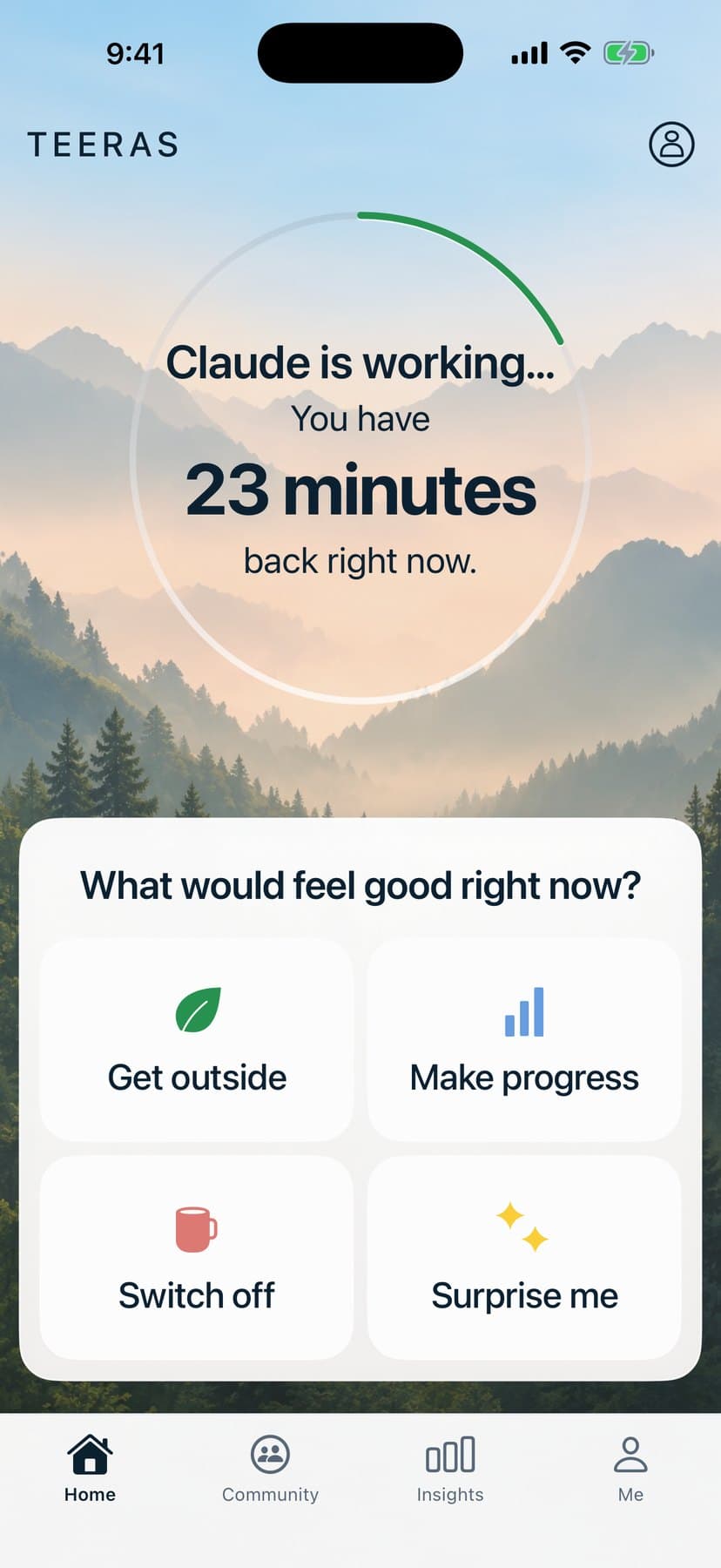
Your agents run all night. You shouldn't.

See whether Claude, Codex, Cursor, and Gemini are giving your life back—or quietly turning every free hour into more work.

Show me my AI lifelocal processing · zero prompt retention
no hustle leaderboardno boss modeyour account · your history

Your AI life report

Did AI actually give you the week back?

Product preview · Afterhours reads private usage metadata locally from the agents you already use.

afterhoursyour human dashboard
todaythis week30 days
Jul 14—20
time back · estimate+7.4h

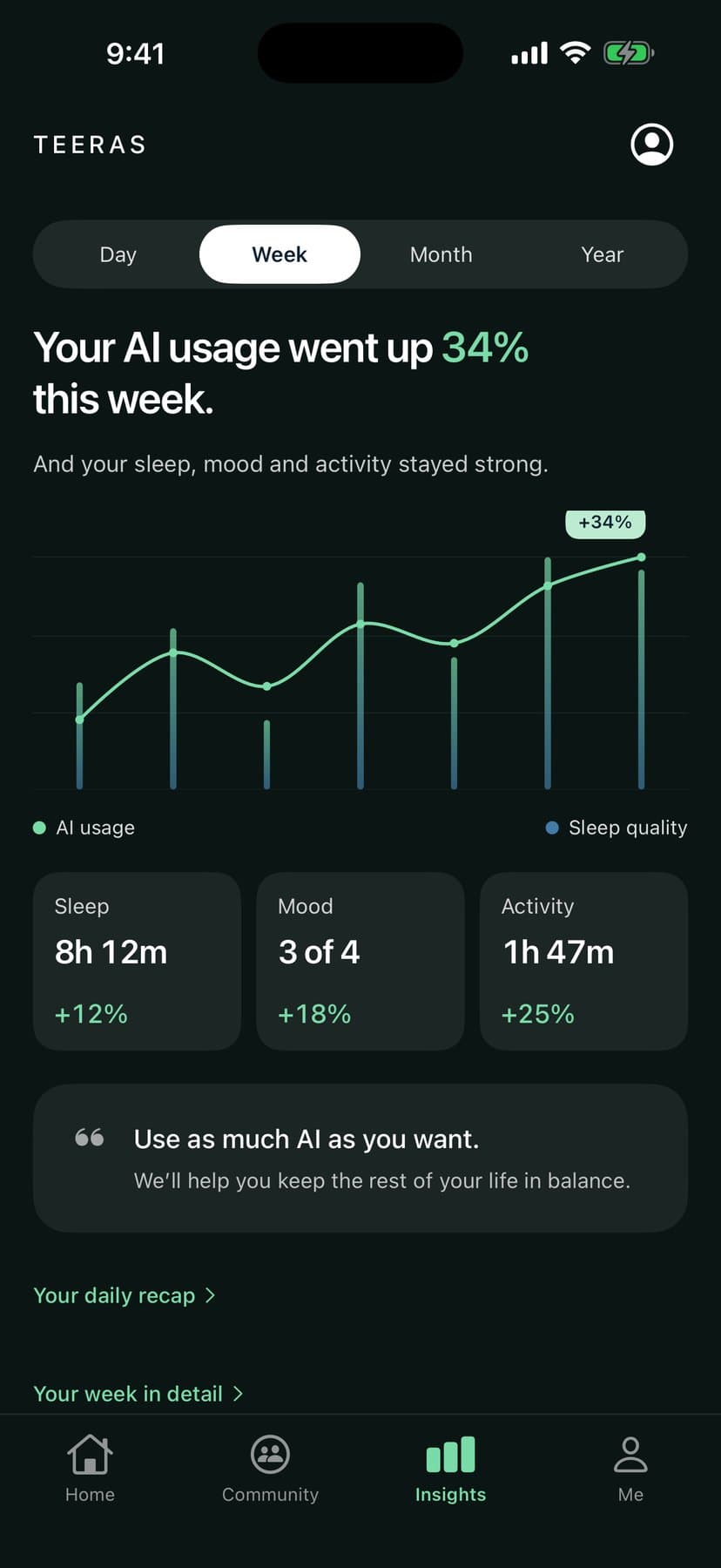
Your agents worked for 31 hours. They needed 4h 12m of your actual attention.

↗ 2.1h more than last week
4/5nights
protected
human attention4h 12mapproving · steering · fixing
agent time31h 04mwork that kept moving without you
touch grass streak4 dayslaptop closed before 10:30
your attention rhythmAgent activity vs. you checking in
agentsyou
after hours
8amnoon4pm8pmmidnight

11:47pm: agents were still productive. Your correction rate was not.

the plot twist

AI saved you 7.4 hours.

You gave 5.1 of them back by launching more work after your planned stop time.

69% of your AI dividend went straight back into the laptop.
tonight's one move

Let them run. Don't supervise.

Two agents can finish without you. Your next useful check-in is tomorrow at 9:00am.

This would create a local boundary—not stop or kill your agents.
the crewWhere your AI time went
metadata only · prompts stay yours
CClaude Code19.2h2h 44m attention
Codex9.4h1h 03m attention
Gemini2.4h25m attention
Measure AI by the life it returns—not the tokens it burns.

Not another productivity cop

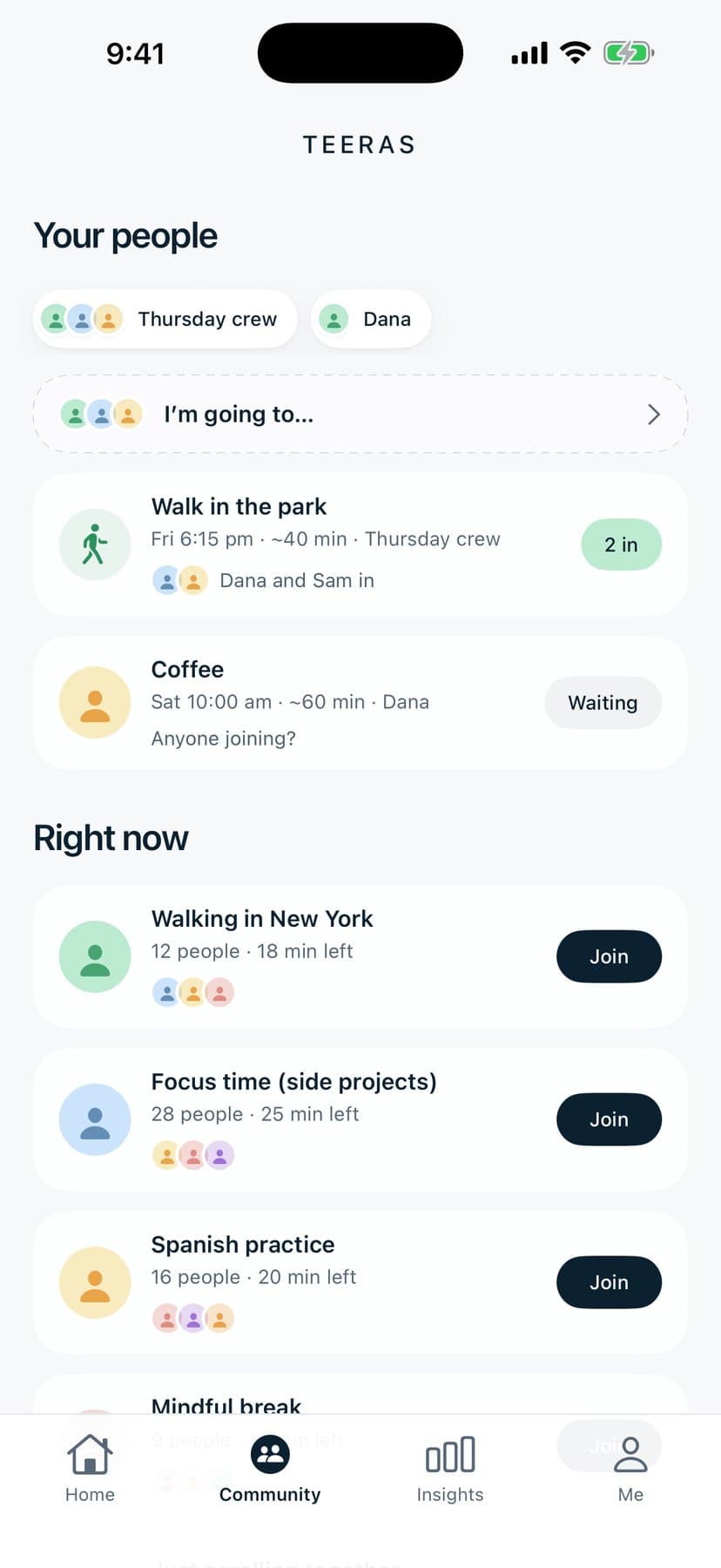
The boss sees output. This is for the human still awake at 2am.

01

Local content boundary

Read logs locally, keep counts and timestamps, and discard prompts, source code, outputs, projects, and paths before sync.

02

Life over usage

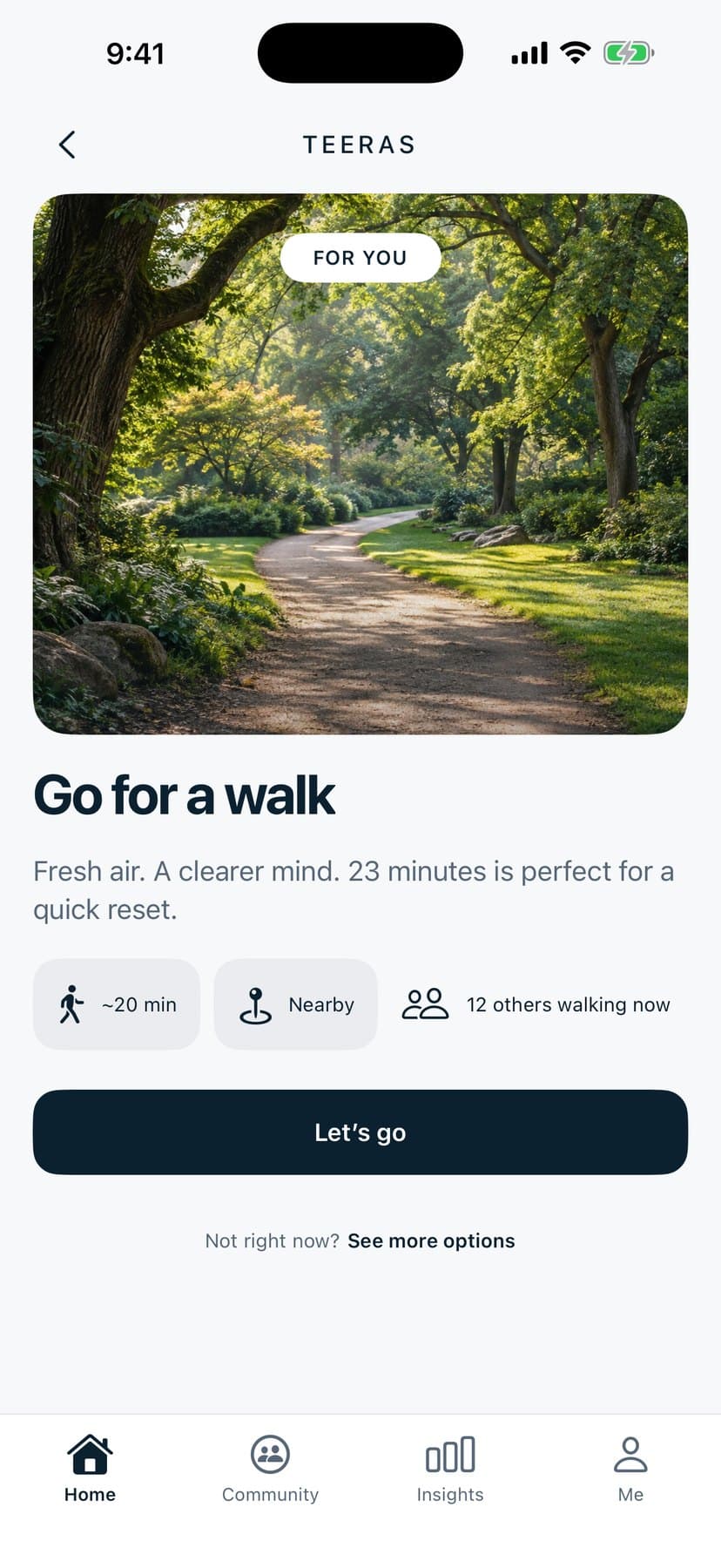
A billion tokens is not a win. An evening returned, a walk taken, or a task finished without supervision might be.

03

One experiment

No guilt spiral. Try two agents instead of five, protect one stop time, and see whether the work actually changes.

The short answers

AI-life balance, without the surveillance energy.

01

What is AI-life balance?

AI-life balance measures whether coding agents reduce human attention and protect time away from work—not merely how many tokens or tasks they consume.

02

Which coding agents does Afterhours track?

Afterhours currently reads counts from Codex app and CLI, Claude Code, and Gemini CLI. It detects Cursor and other installed coding agents while adapters mature.

03

Does Afterhours upload my prompts or code?

No. The local parser reads agent session logs to derive hourly counts, sessions, check-ins, and token counters. Prompt text, source code, model output, project names, and file paths are discarded locally and never synced.

04

How do I install Afterhours?

Run npx @teeras/afterhours. The CLI opens Google sign-in, returns to the terminal, detects supported coding agents, and sends the first counts-only report after you approve it.

made for the slightly too online

Make AI give your life back.

Your agents don't need sleep, sunlight, friends, or a nervous system. Lucky them.

npx @teeras/afterhours

One command opens Google sign-in, detects your coding agents, and returns to the terminal. Nothing runs in the background.

I already connected →